
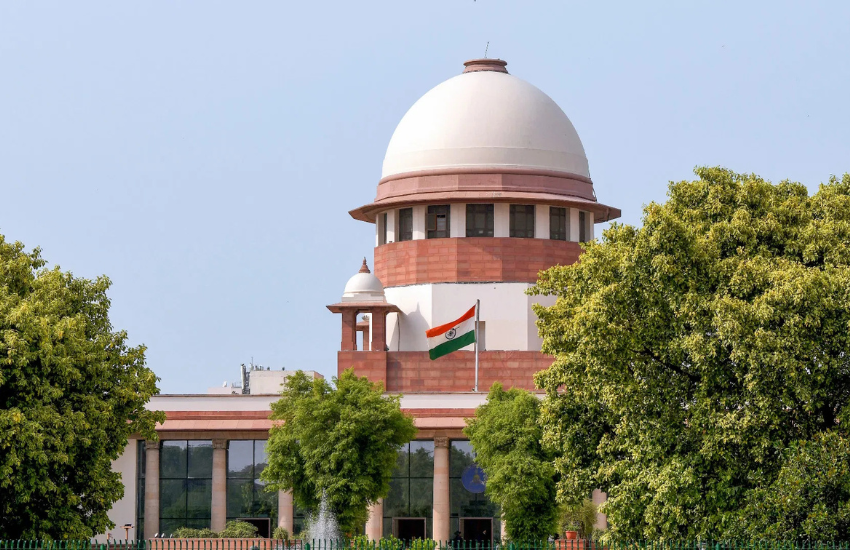
How to File a PIL in the Supreme Court and High Court: Eligibility, Procedure & Mistakes to Avoid
A Practical, Experience-Based Guide for Citizens & Lawyers
By Advocate Mamta Sharma
Practising before the Supreme Court of India & High Courts Across the Country
Introduction: PIL Is a Powerful Tool—But Misuse Can Backfire
Public Interest Litigation (PIL) is one of India’s most transformative judicial innovations. It has opened the doors of constitutional courts to citizens, students, NGOs, social activists, and even affected communities who otherwise lack the means to approach the courts.
In my practice—both before the Supreme Court and various High Courts—I have filed and argued PILs on issues ranging from education rights (including the PIL for cancellation of Class XII Board Exams during COVID) to administrative accountability, service law transparency, and public health concerns.
But PIL is not a casual remedy. Courts today are extremely strict. A poorly drafted PIL not only gets dismissed but may invite heavy costs.
This article explains, in a practical and clear manner:
- Who can file a PIL
- Where to file it
- How to draft it correctly
- Procedural requirements (SC & HC differ)
- Common mistakes that lead to dismissal
- When courts refuse to entertain PILs
- What Exactly Is a PIL?
A Public Interest Litigation is a petition filed:
- To protect fundamental rights of the public-at-large
- To address systemic injustice
- To correct administrative failures
- To enforce constitutional or statutory duties
It is not meant for personal grievances.
PILs derive their legitimacy from Articles 32 and 226 of the Constitution.
- Who Can File a PIL? (Eligibility)
Unlike ordinary writ petitions, PILs can be filed by:
- Any public-spirited individual
- Social workers, lawyers, NGOs, associations
- Journalists or researchers
- Concerned citizens
You do not need to be personally affected.
But the court will test:
“Is the petitioner acting bona fide and in public interest?”
If not, the case is dismissed.
**3. Where Should You File the PIL?
Supreme Court vs. High Court**
- Filing PIL in the Supreme Court (Article 32)
Appropriate when:
- Fundamental rights of a large class are impacted
- Nationwide issues (e.g., NEET, national-level exams, national policies)
- Matters involving central government, national authorities
- Environmental/public health concerns of nationwide scale
The Supreme Court does not entertain PILs involving:
- Local disputes
- Individual grievances
- Service matters (except PILs alleging systemic illegality)
- Filing PIL in the High Court (Article 226)
High Courts deal with:
- State-level administrative failures
- Localized injustice
- Police inaction
- State education issues
- State health infrastructure
- Local environmental violations
- Matters affecting district/state citizens
In practice, 90% of PILs belong in the High Court, not the Supreme Court.
- How to Draft a PIL: Structure & Mandatory Components
Over the years, drafting PILs for the Supreme Court and High Courts has taught me that structure matters. Courts scrutinize PILs very carefully.
A well-drafted PIL includes:
- Title & Jurisdiction Clause
Specify Article 32 or 226.
- Petitioner’s Credentials
Courts require:
- Full disclosure of background
- No personal interest
- Clean antecedents
- Financial disclosure (as per SC PIL Rules)
- Declaration of bona fides
- Facts Leading to the Petition
Present chronological, relevant, and precise facts.
- Nature of Public Injury
Demonstrate:
- Who is harmed?
- How many people affected?
- What fundamental rights violated?
- Why urgent?
- Representations Made to Authorities
Attach proof that you tried administrative remedy first.
Courts often ask:
“Why did you come directly to us?”
- Grounds (Legal Arguments)
Link facts to constitutional rights:
- Article 14
- Article 19
- Article 21
- Directive Principles
- Court precedents
- Prayers
Clearly draft reliefs sought. For example:
- Court-directed guidelines
- Corrective steps
- Expert committees
- Compensation
- Policy reforms
- Annexures
All documents supporting the PIL.
- Procedural Requirements in Supreme Court
The Supreme Court PIL Rules require:
 Affidavit of bona fides
Disclosure of personal interest
Statement of previous filings
Full financial disclosure
Free copy to respondents before listing
Verification of facts
Failure to comply can result in dismissal even before first hearing.
- Procedural Requirements in High Courts
Each High Court has its own PIL rules, but generally require:
- Petitioner’s credentials
- Public injury demonstration
- PIL to be vetted by Registrar or PIL Committee
- Early mention only in exceptional cases
Many High Courts also prohibit PILs in:
- Service matters
- Contract/tender disputes (unless corruption shown)
- Land acquisition disputes (unless mass violation)
- Private property disputes
- Common Mistakes That Lead to Dismissal (or Costs)
From observing daily court proceedings, these are the most common mistakes:
Filing PIL for personal gain
Courts impose heavy costs.
Not making prior representation
Courts expect petitioners to give authorities an opportunity first.
Vague facts & unverified allegations
PILs must be factually accurate and supported by evidence.
Asking for policy decisions
Courts do not run the government.
PIL targeting private parties
Not maintainable unless public function involved.
Using PIL to re-open service disputes
PIL is not a substitute for statutory remedies.
Misquoting law or cases
Courts are strict; mistakes harm credibility.
Sensationalism instead of substance
Courts respond to law, not rhetoric.
- When Courts Refuse to Entertain PILs
Supreme Court & High Courts reject PILs when:
- They relate to individual disputes
- Require evidence-heavy adjudication
- Alternative remedies exist
- Petition is politically motivated
- Issues already decided or academic
- Pure service matters of an individual officer
- Real Courtroom Insight: How Judges Evaluate PILs
Judges generally ask:
- Is the petitioner genuinely acting in public interest?
- Is this the correct forum?
- Is relief judicially manageable?
- Is there material to justify intervention?
- Has the petitioner approached with clean hands?
- Is there urgency or irreparable public harm?
If answers are unclear, the PIL rarely survives.
- Practical Tips for Filing a Successful PIL (From My Experience)
Keep the petition specific to one public cause
Attach reliable documents, not newspaper clippings alone
Show urgency and real impact
Avoid political undertones
Ensure factual accuracy
Draft short, sharp, and legally sound prayers
Approach the court only after representations fail
Be ready with precedent and statutory backing
Conclusion: PIL Is a Responsibility, Not Just a Right
The PIL system is a constitutional gift that must be used cautiously and wisely. When filed correctly and for genuine causes, PILs have the power to bring systemic change—whether in education, health, governance, environmental protection, or public accountability.
But when misused, courts come down mercilessly.
If you are considering filing a PIL, the key is:
- Be honest,
- Be prepared,
- Be precise, and
- Respect the court’s time.
With the right approach, PILs remain one of the strongest tools to uphold constitutional governance.